Grimbleed: Elevating Horror Design with a Dripping Display Font
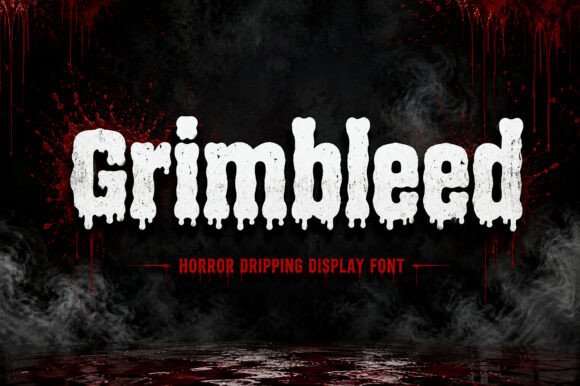
When you are designing for the horror genre, standard typography rarely cuts it. Clean sans-serifs feel too corporate, and traditional serifs often lack the visceral edge needed to convey dread. This is where Grimbleed enters the creative workflow. It is a display font specifically engineered to evoke the texture of dripping blood, the decay of haunted structures, and the unsettling atmosphere of classic nightmares. Rather than simply being "scary," Grimbleed offers a bold, melting aesthetic that instantly establishes a dark tone before the viewer even reads the message.
For designers, marketers, and content creators, choosing the right typeface is about more than legibility; it is about emotional priming. Grimbleed serves as a visual shorthand for fear, mystery, and gore. Whether you are crafting a YouTube thumbnail that needs to stop the scroll or designing merchandise for a metal band, this font bridges the gap between artistic expression and commercial impact. Understanding how to leverage its sinister personality can transform a generic spooky project into something genuinely memorable.
Practical Applications Across Creative Industries
The versatility of a horror display font like Grimbleed extends far beyond Halloween decorations. While it is undeniably perfect for seasonal promotions, its utility spans various professional and personal projects where a dark aesthetic is required. The key is matching the font’s intense visual weight with appropriate contexts.
Digital Content and Social Media Growth
In the saturated world of digital content, grabbing attention within milliseconds is crucial. For YouTubers covering true crime, paranormal investigations, or horror game walkthroughs, thumbnails are the primary conversion tool. Grimbleed provides high contrast and immediate thematic recognition. When used in video titles or overlay text, the dripping letterforms signal to the algorithm and the audience exactly what kind of experience to expect. Similarly, streamers and podcasters in the horror niche can use this typeface for channel banners and episode art to maintain consistent branding that feels authentic rather than stock.
Event Marketing and Experiential Design
Haunted house operators and event organizers face the unique challenge of selling an experience through static imagery. A flyer or social media ad must convey the physical sensation of the attraction. Grimbleed works exceptionally well here because its texture mimics the practical effects found in scare zones. When designing tickets, wristbands, or promotional posters for zombie runs, escape rooms, or ghost tours, this font helps set expectations. It tells potential attendees that the event will be gritty and immersive. Pairing it with distressed textures or dark photography creates a cohesive marketing campaign that drives ticket sales by promising a genuine thrill.
Publishing and Merchandise Commercialization
Authors and self-publishers know that book covers are the single most important marketing asset for horror novels. Grimbleed offers a distinct alternative to the overused "scratchy" fonts that dominate the thriller section. Its bold, melting structure reads well at thumbnail size on Amazon while retaining detail in print. Beyond books, independent artists and entrepreneurs creating apparel, stickers, or enamel pins can utilize this font to create merchandise that fans actually want to wear. The gothic influence makes it suitable for streetwear brands targeting alternative subcultures, allowing small business owners to produce professional-grade designs without hiring a custom lettering artist.
Understanding the User Experience and Technical Features
Aesthetic appeal means little if the font is difficult to work with. Grimbleed is designed with practical usability in mind, ensuring that both seasoned graphic designers and hobbyists can integrate it smoothly into their workflows. The inclusion of uppercase and lowercase characters, numbers, and punctuation allows for flexible headline creation without awkward gaps in communication.
One significant advantage for advanced users is the PUA (Private Use Area) encoding. This feature is essential for accessing special glyphs, alternates, or ligatures that may not be mapped to standard keyboard keys. In software like Adobe Illustrator, Photoshop, or Affinity Designer, PUA encoding allows you to pull specific dripping variations or stylistic sets directly from the glyph panel. This level of control enables designers to customize the look of specific words, preventing repetition and adding organic variety to large-scale layouts like movie posters or banner ads.
The font comes in high-quality OTF format, which ensures crisp rendering across both digital screens and high-resolution print materials. Whether you are exporting a 4K video intro or sending a file to a commercial printer for packaging design, the vector integrity remains intact. Installation is straightforward across Windows and macOS, making it accessible for educators creating classroom materials for literature units on Gothic fiction or for freelancers managing tight deadlines.
Strategic Considerations Before Implementation
While Grimbleed is a powerful tool, it requires thoughtful application to avoid looking amateurish. Because it is a display font with heavy ornamentation, it should never be used for body copy. Attempting to set paragraphs or long descriptions in this typeface will result in illegible text and poor user experience. Reserve Grimbleed strictly for headlines, logos, short phrases, and call-to-action buttons. Let a clean, neutral sans-serif handle the informational heavy lifting to create a balanced hierarchy.
Contrast is another critical factor. The intricate details of the dripping forms can get lost against busy backgrounds. Designers should ensure sufficient negative space around the text or use solid color blocks behind the lettering to maintain readability. Additionally, consider the psychological impact on your specific audience. While perfect for adult horror fans, this font is intensely graphic. Using it for family-friendly Halloween events or children’s party invitations might be too aggressive. Always align the intensity of the typography with the maturity level and expectations of your target demographic.
Licensing is also a practical consideration for commercial users. Before applying Grimbleed to products intended for sale, such as t-shirts or paid event tickets, verify that your license covers commercial merchandising. Many creators overlook this step, leading to legal complications down the road. Ensuring you have the correct usage rights protects your business and supports the type designer, fostering a sustainable ecosystem for creative resources.
Creating Atmosphere Through Typographic Choice
Ultimately, Grimbleed is more than just a collection of vector shapes; it is an atmospheric device. In a market flooded with generic assets, having a typeface that carries genuine personality can distinguish your work from the noise. It connects the viewer to the primal feelings associated with horror—danger, decay, and the unknown—through pure form.
For the entrepreneur launching a spooky candle line, it adds credibility to the brand identity. For the educator teaching Edgar Allan Poe, it brings the text to life visually. For the gamer streaming late-night terror, it reinforces the community vibe. By understanding both the creative possibilities and the technical constraints of Grimbleed, users can harness its power to create designs that are not only frightening but professionally executed and commercially effective. The goal is always to serve the story you are telling, and when that story involves darkness, Grimbleed provides the perfect voice.