Coastal Star: Elevating Design Projects with Organic Handwritten Charm
In the vast landscape of digital typography, finding a script font that feels genuinely human rather than mechanically generated is a common challenge for designers and content creators. Coastal Star emerges as a distinct solution to this problem, offering a sweet and beautiful handwritten aesthetic that bridges the gap between polished professionalism and authentic warmth. Unlike rigid display fonts or overly chaotic brush scripts, Coastal Star features characters that dance along the baseline, creating a rhythmic, organic flow that adds a cozy accent to any design project. For adults seeking practical ways to infuse personality into their visual communications, understanding how to leverage this specific typeface can transform standard layouts into memorable experiences.
Understanding the Unique Character of Coastal Star
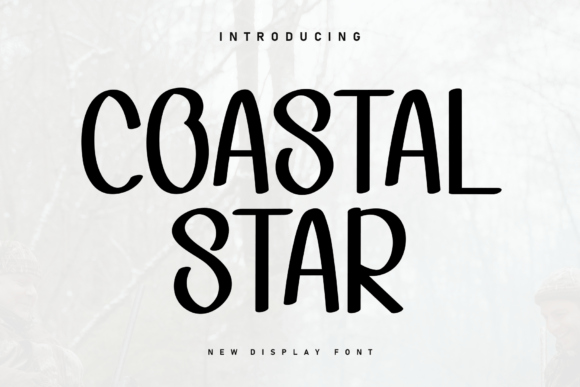
To use Coastal Star effectively, one must first understand what distinguishes it from other handwritten options. The defining characteristic of this font is its baseline variation. In traditional typography, letters sit on a straight, invisible line. In Coastal Star, individual glyphs shift vertically and rotate slightly, mimicking the natural imperfections of real handwriting. This "dancing" quality prevents the text from looking like a stamped repetition, which is often the downfall of digital script fonts.
The font strikes a careful balance between legibility and artistic expression. It retains enough structural integrity to be read easily at medium sizes while possessing enough stylistic flair to serve as a focal point. This duality makes it particularly useful for projects that require a personal touch without sacrificing clarity. The sweetness of the letterforms suggests approachability and kindness, making it an ideal vehicle for brands and individuals who want to communicate empathy, nostalgia, or artisanal quality.
Solving Common Typography Challenges
Designers frequently encounter specific hurdles when selecting typography for lifestyle, wedding, or boutique branding projects. Coastal Star addresses several of these pain points directly:
- Overcoming Digital Sterility: Modern web design often relies on clean sans-serif fonts that, while functional, can feel cold. Integrating Coastal Star as a secondary or accent typeface introduces immediate warmth and texture, softening the overall user interface.
- Avoiding the "Generic Script" Look: Many free or overused script fonts have become cliché. Coastal Star offers a fresh silhouette that avoids the tired aesthetics of standard calligraphy, helping projects stand out in saturated markets like Etsy or Instagram.
- Balancing Whimsy and Readability: Highly decorative fonts are often illegible. Coastal Star solves this by maintaining open counters and consistent stroke widths, ensuring that the cozy vibe does not come at the expense of user experience.
- Creating Emotional Connection: For businesses selling handmade goods or personal services, trust is paramount. The handwritten nature of this font signals human involvement, subconsciously reassuring customers that there is a real person behind the brand.
Practical Applications and Implementation Strategies
The versatility of Coastal Star allows it to function across various mediums, but its application requires intentionality. Because the characters dance along the baseline, this font performs best when given room to breathe. Cramped spacing or small point sizes can negate its charm and reduce legibility.
Branding and Packaging
For product packaging, Coastal Star excels in highlighting key attributes such as "Handmade," "Organic," or limited-edition batch numbers. Its organic flow complements textured papers, kraft materials, and matte finishes. When designing labels, consider using Coastal Star for the product name or tagline while pairing it with a simple, high-x-height sans-serif for regulatory text and ingredients. This contrast ensures compliance and readability while letting the handwritten font carry the emotional weight of the brand identity.
Digital Content and Social Media
In social media graphics, Coastal Star serves as an excellent tool for stopping the scroll. Use it for quote overlays, announcement headlines, or seasonal greetings. However, accessibility must remain a priority. Always ensure sufficient color contrast between the handwritten text and the background. Because the baseline varies, avoid placing Coastal Star directly over busy photographic backgrounds; instead, use solid color blocks or blurred overlays to provide a stable canvas for the dancing letters.
Stationery and Event Design
Wedding invitations, thank-you cards, and event programs are perhaps the most natural home for this typeface. Here, the goal is intimacy. Coastal Star works beautifully for header information, menu titles, and place cards. For body copy, such as directions or detailed schedules, switch to a complementary serif or sans-serif font. The handwritten element should act as the voice of the host, while the supporting text acts as the informative guide.
Tailoring Usage for Different User Needs
Different creators will approach Coastal Star with varying objectives, and the implementation strategy should shift accordingly.
Small Business Owners: Your primary goal is likely differentiation and trust. Focus on using Coastal Star in your logo lockup or signature sign-offs in email newsletters. Avoid using it for navigation menus or pricing tables where quick scanning is necessary. Use it to highlight values and stories rather than data.
Graphic Designers: You may be looking for typographic hierarchy solutions. Treat Coastal Star as a texture element. Experiment with opacity, blending modes, and color gradients to integrate it into complex compositions. Pay close attention to kerning; because the baseline shifts, manual optical adjustments are often necessary to prevent awkward gaps between specific letter pairs.
Educators and Coaches: If you create worksheets, course materials, or coaching resources, Coastal Star can make dense information feel less intimidating. Use it for section headers, margin notes, or encouraging feedback stamps. The friendly aesthetic can lower cognitive load and make learning materials feel more like a conversation than a lecture.
Best Practices for Maximizing Impact
To get the most out of Coastal Star, adhere to these practical recommendations:
- Mind the Scale: This font shines at larger sizes. Below 18pt (or equivalent pixel size), the intricate details and baseline variations may blur. Reserve it for display purposes.
- Limit All-Caps: Handwritten fonts rarely work well in all-capital letters. The uniform height destroys the natural rhythm that makes Coastal Star special. Stick to title case or sentence case to preserve the dancing baseline effect.
- Pair with Intention: Contrast is key. Pair Coastal Star with structured, geometric typefaces. A bold grotesque sans-serif or a refined transitional serif provides the stability that balances the font’s inherent movement.
- Check Licensing: Always verify the license for your specific use case. Personal projects and commercial branding often have different requirements. Ensuring proper licensing protects your work and supports the type designer.
- Test Across Devices: Web fonts render differently on various screens. If using Coastal Star on a website, test it on mobile devices to ensure the baseline variation does not cause line-height issues or clipping within CSS containers.
Final Thoughts on Authentic Design
Ultimately, Coastal Star is more than just a collection of vector shapes; it is a tool for communication that prioritizes feeling alongside function. In an era where AI-generated content and automated design are becoming ubiquitous, the deliberate choice of a sweet, beautiful handwritten font signals a commitment to human-centric design. Whether you are crafting a wedding suite, rebranding a bakery, or designing a personal blog, Coastal Star provides the cozy accent needed to turn passive viewers into engaged participants. By respecting its unique characteristics and applying it with strategic intent, you can create designs that resonate deeply and authentically with your audience.